
Why Prime Minister Modi Has Avoided Direct Engagement With Donald Trump
Over the past several months, observers in Washington and global capitals have noticed a clear pattern: Indian Prime Minister Narendra Modi has avoided direct, high-profile meetings with former U.S. President Donald Trump. This absence has prompted questions about whether major world leaders are reassessing how they engage with Trump amid rising diplomatic tensions.
From a U.S. citizen perspective, this matters because India is one of America’s most important strategic partners in the Indo-Pacific. Any hesitation at the leadership level signals discomfort with Washington’s tone and direction. Recent developments involving France now offer clearer insight into why some leaders may be choosing distance over direct confrontation.
The Macron Text Message Leak and Breakdown of Diplomatic Norms
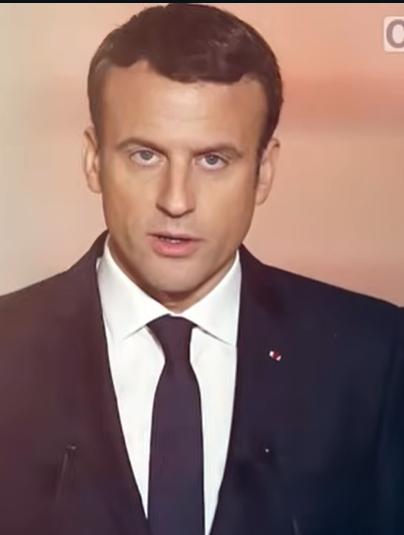
Tensions escalated after French President Emmanuel Macron reportedly sent a private text message to Donald Trump, urging cooperation and dialogue on several global issues, including Syria, Iran, and broader geopolitical stability. Trump responded by publicly sharing screenshots of the private message, exposing personal diplomatic communication to the world.
For U.S. foreign policy observers, this episode represents a sharp departure from established diplomatic norms. Private leader-to-leader communication has historically been treated as confidential to preserve trust and stability. Macron later responded by stating that France prefers respect over bullying, emphasizing that intimidation through power is unacceptable in modern international relations.
The public release of private messages has unsettled allies who rely on discretion when engaging with U.S. leadership.
Greenland, Military Posturing, and the Expanding Map Narrative
At the center of the Trump–Macron dispute lies Greenland. Trump has repeatedly asserted that the United States should take control of Greenland, framing it as a strategic necessity. France, however, has deployed military forces to Greenland in coordination with Denmark, the territory’s custodian, signaling clear opposition to any unilateral U.S. move.
Adding fuel to the controversy, Trump shared AI-generated images on social media depicting an expanded U.S. map that included Canada, Greenland, and even Venezuela as part of American territory. While some dismissed the imagery as humor, recent U.S. actions in Venezuela and explicit warnings regarding Greenland have made such depictions harder to ignore.
For Americans, these signals raise serious questions about how symbolic messaging can translate into real-world policy consequences and global instability.
Tariff Threats and Claims of Regime Change in France
The situation intensified further when Trump suggested that President Macron would soon be removed from office and threatened to impose a 200 percent tariff on French wine and champagne. These statements shocked European audiences, particularly because Macron is currently serving a second presidential term set to run until 2027.
From a U.S. historical perspective, such comments carry weight. The United States has a long and controversial record of influencing political outcomes abroad. When a U.S. leader publicly suggests another country’s president will soon be out of power, it triggers concern not only among allies but also among American voters who value democratic norms.
France’s public reaction reflected deep unease, as citizens questioned why a foreign leader would comment so directly on their country’s political future.
What This Means for the United States and India’s Strategic Choice
The broader issue now facing Washington is credibility. Trump’s confrontational approach toward leaders pursuing independent foreign policies, including Macron and Modi, signals a shift from alliance management to pressure-driven diplomacy. This approach risks isolating the United States at a time when global cooperation is already strained.
A key question emerging for American and Indian policymakers alike is the proposed “Board of Peace,” which France has rejected, citing concerns that it undermines the authority of the United Nations Security Council, where France holds permanent membership. India, which seeks greater global influence and UN reform, faces a more complex calculation.
From a U.S. standpoint, India’s decision will be closely watched. Aligning with a pressure-based initiative could damage India’s strategic autonomy, while rejecting it may further expose fractures among U.S. partners. Either outcome reflects how Trump’s leadership style is reshaping alliances.
Ultimately, while the United States remains a powerful and influential nation, leadership tone matters. Trump’s transition from what he describes as being “the hunted” to becoming “the hunter” reflects a mindset shaped by personal political trauma and confrontation. However, when personal grievances begin driving foreign policy, the long-term costs to U.S. global standing can be substantial.
For American citizens, the stakes are clear. How the U.S. treats its allies today will determine the strength of its partnerships tomorrow. The Trump–Macron clash is not just a bilateral dispute. It is a warning signal about the future direction of American foreign policy and the trust it commands on the world stage.